
skeleton figure commons
A nonprofit educational farming + conservation initiative.
radical transparency.
Our logistical process and financial flow (open-book commitment)
We believe that the process of building this farm should be as visible as the outcomes it produces.
As an educational organization, we share not only what we grow—but how we grow it, fund it, and sustain it. That means documenting the work before there is a farm to see: forming the organization, building governance, seeking land, developing partnerships, raising funds, and eventually building and operating the physical site.
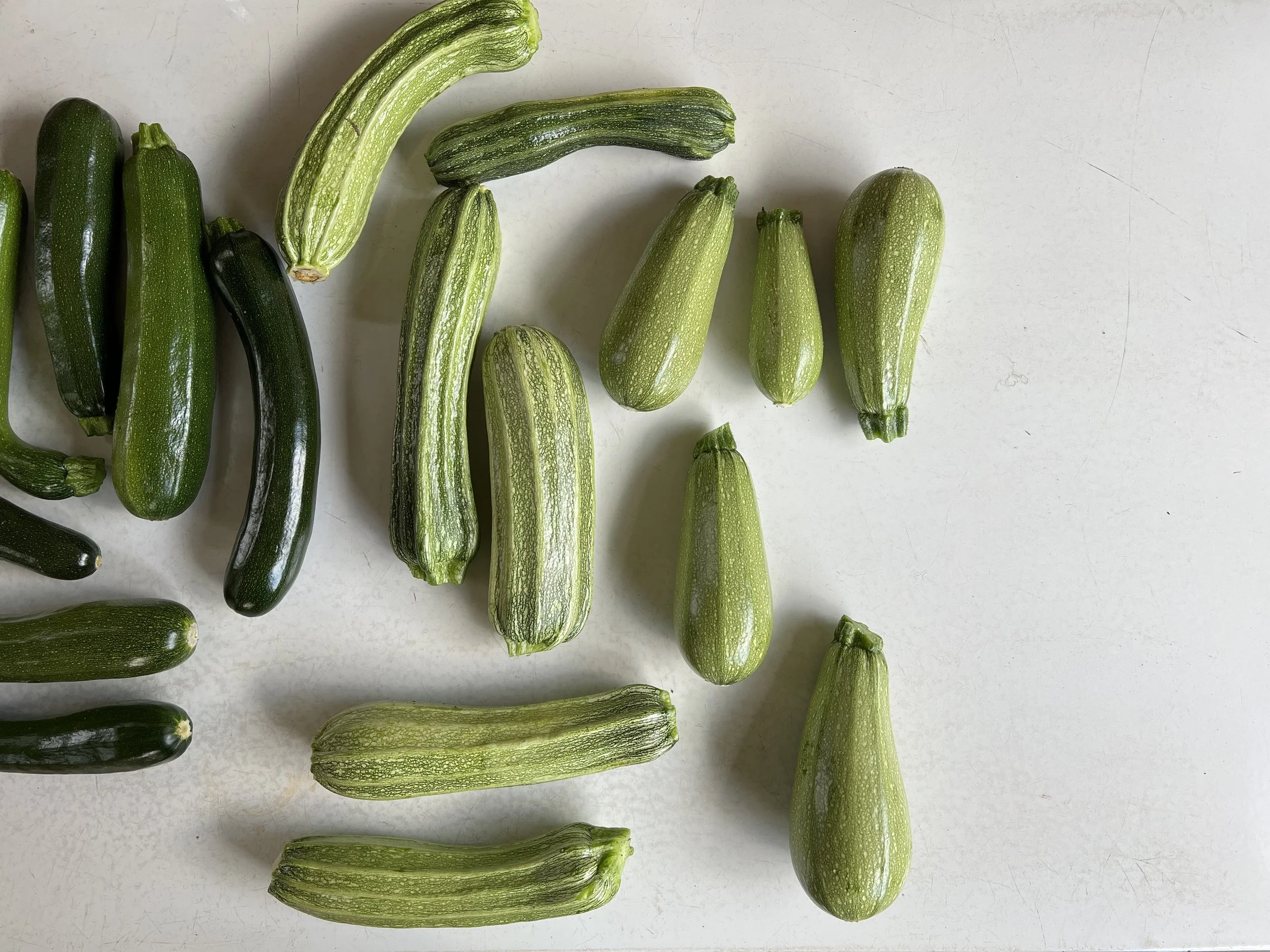

Through farming, we’re learning how to become more self-sufficient, work within the limits of the land, and give more back than we take.
Where we are now: EARLY DEVELOPMENT + LAND SEARCH
Skeleton Figure Commons is currently in an early but active development phase. While a permanent or long-term site has not yet been secured, the organizational foundation for the project is being built in parallel with an ongoing search for land.
Rather than beginning this record once the farm is established, we are documenting the process from the beginning—including the uncertainty, time, professional support, and community relationships required to get a project like this onto the ground.
Federal nonprofit status: Approved
Board of governance: Established
Land: Final stages
Site infrastructure: Not yet begun
Programming: In development
Fundraising: Early stage
Additional board/advisory involvement: Seeking people with nonprofit and organizational experience. All inquiries to contribute are welcome.
what it has taken to get here: year 1
ORGANIZATIONAL DEVELOPMENT
Developed the initial concept, mission, and organizational structure
Established Skeleton Figure Commons as a legal entity
Worked with the USM Business and Law Clinic on organizational and legal development
Applied for federal 501(c)(3) recognition
Received federal tax-exempt status
Established a board of governance
Began developing financial controls, recordkeeping, and open-book practices
Developed preliminary operating and infrastructure budgets
Began identifying insurance, liability, volunteer, and operational requirements
LAND + SITE DEVELOPMENT
Identified the project's land requirements
Researched potential sites and land-access models
Developed relationships with landowners/land organizations
Spent nearly a year pursuing a potential land commitment
Developed preliminary site and infrastructure concepts while awaiting land
Continued exploring alternative land opportunities rather than putting organizational development on hold
CONTRIBUTIONS
In-kind + professional support
Legal guidance (USM Clinic)
Business/organizational guidance (USM Clinic + Small Business Development Center)
Donated materials or services
Founder + board time
Organizational development
Land search and meetings
Grant/fundraising development
Program planning
Administrative work
Board governance

Future sharing…
Where Our Money comes From
Grants (we’ve received our first!)
Individual donations (go-fund-me)
Program revenue (when active)
In-kind contributions (labor, materials, land)
Where Our Money Goes
Farm infrastructure (Year 1 focus)
Educational programming (Year 2 onward)
Professional Labor
Materials and tools
Administrative + insurance costs
What It Actually Costs
Example; Cost of fence:
Materials purchased — $X
Materials donated — $XX
Founder labor — $XX
Volunteer labor — $XXX
Equipment borrowed — $___ avoided
Total cash outlay — $XXXXXXXX
Actual resources required — $X + X hours
Build Log (Living Record)
Future build ledger
Current Snapshot
Funding goal: $50,000
Funds raised: $800
Funds spent: $300
Current gap: -$49,500
Official fundraising will begin upon final land agreement.
Why We Do This
Transparency is part of our mission. We want participants to understand:
What it takes to grow food + manage land appropriately
What it takes to run a nonprofit and/or small business
How community support translates into real infrastructure + education
What We Don’t Share
To maintain privacy and safety, we do not publish:
Individual donor identities (unless permitted)
Personal or personnel information
Certain contractual details